𝑨 𝑵𝒆𝒘 𝑨𝒑𝒑𝒓𝒐𝒂𝒄𝒉 𝒕𝒐 𝑾𝒐𝒓𝒌 𝑫𝒐𝒄𝒖𝒎𝒆𝒏𝒕𝒔

August 1, 2024
TikTok and Twitter have shown us how people naturally consume information today: fast, focused, and easy to digest.
Work communication looks nothing like that.
Despite how we live online, we still expect teams to read long documents, process dense emails, and sift through sprawling reports just to find what matters. The gap between how people consume information and how work delivers it keeps growing.
The numbers make the problem obvious:
When communication formats ignore how attention actually works, important information doesn’t just slow down. It gets missed, misunderstood, or ignored entirely.
This isn’t a discipline problem. It’s a design problem.
Length is often mistaken for completeness. In reality, long documents push cognitive effort onto the reader, forcing them to extract what matters on their own.
That works poorly in modern teams where:
When everything is bundled together, nothing stands out.
There’s an alternative that aligns better with how people already think and work.
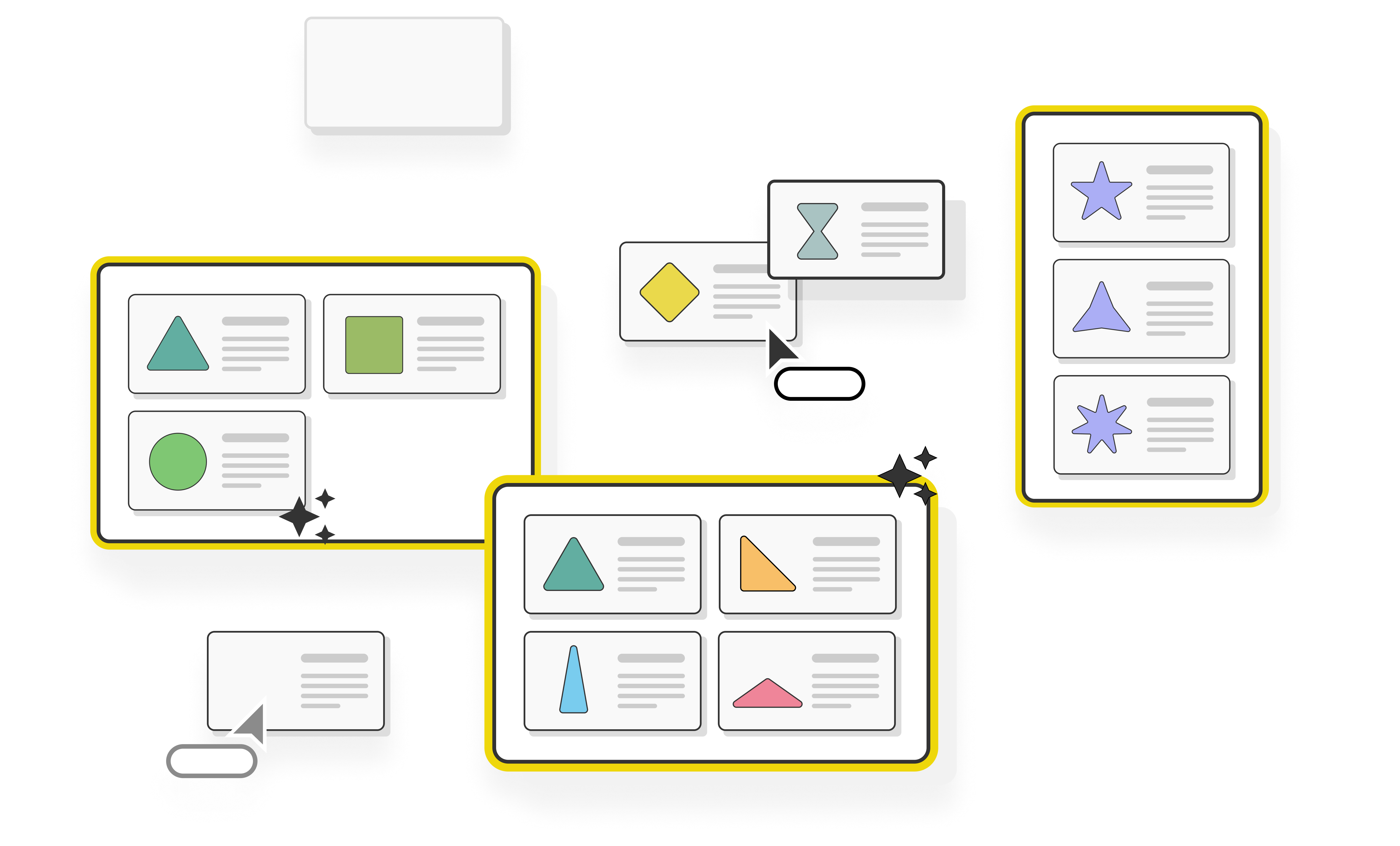
Instead of producing large reports all at once, teams can create bite-sized pieces of information continuously. Tasks become smaller and more focused. Reading becomes intentional. People only consume what is relevant to their role and decision.
This shift brings tangible benefits:
Not because people try harder, but because the format works with their attention instead of fighting it.
At illumi, we’re exploring how to make work communication more modular, lightweight, and reusable. The goal isn’t to oversimplify work, but to remove unnecessary friction from how information is captured and shared.
When knowledge is broken into clear, structured pieces, teams spend less time re-reading, re-explaining, and reconstructing context. Work moves forward instead of piling up.
TL;DR
What do you think? How would bite-sized content change the way your team works?

illumi Inc. © 2026
